
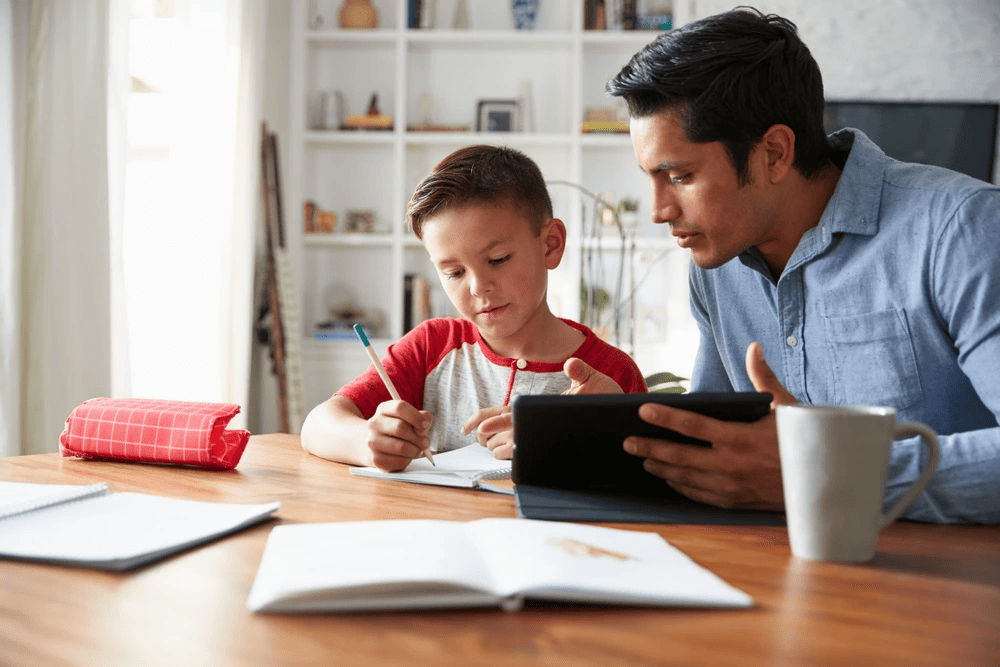
Every child learns in a unique way. Some students thrive with visual learning, while others prefer hands-on activities or one-on-one guidance. Personalized learning focuses on understanding these differences and creating educational experiences that support each child’s individual needs.
Rather than expecting every student to learn the same way at the same pace, personalized learning adapts to the child.
What Is Personalized Learning?
Personalized learning is an educational approach that tailors lessons, teaching methods, and learning goals to suit each student’s strengths, interests, and challenges.
This approach allows students to:
- Learn at a comfortable pace
- Receive focused support
- Build confidence gradually
- Develop a stronger understanding of subjects
It creates a more engaging and supportive learning experience.
Increased Confidence and Motivation
When children receive learning support that matches their needs, they often feel more capable and motivated. Students become less afraid of making mistakes because they are learning in an environment where they feel understood and encouraged.
Personalized learning helps students:
- Ask more questions
- Participate more actively
- Feel proud of their progress
- Develop a positive attitude toward education
Confidence plays a major role in long-term academic success.
Better Understanding of Concepts
In traditional learning environments, some students may struggle to keep up while others move too quickly through topics. Personalized learning allows educators to adjust teaching styles and spend extra time where needed.
This leads to:
- Stronger foundational skills
- Improved comprehension
- Better retention of information
- Reduced learning frustration
Children are more likely to enjoy learning when they truly understand what they are being taught.
Supporting Emotional Well-Being
Education is not only about academics — emotional well-being matters too. Personalized learning creates a supportive environment where students feel valued and respected.
A positive learning experience can reduce stress, improve communication, and encourage emotional growth alongside academic development.
Final Thoughts
Personalized learning helps children reach their full potential by recognizing their individuality and supporting their unique educational journey. With the right guidance and encouragement, students can develop both the skills and confidence they need to succeed in school and beyond.